Physical Address
304 North Cardinal St.
Dorchester Center, MA 02124
Physical Address
304 North Cardinal St.
Dorchester Center, MA 02124

In January 2026, New South Wales (NSW) health authorities declared an urgent measles alert for Sydney and surrounding areas following the confirmation of additional cases of measles in the region. According to NSW Health, 11 cases have been confirmed in NSW since 1 December 2025, prompting heightened vigilance and public health measures.
NSW Health is advising people to be alert for signs and symptoms of measles after another two cases were confirmed in Sydney. One case acquired measles locally in Sydney from a known case earlier this month, and the other case recently returned from South-East Asia. pic.twitter.com/3or1B0kGCF
— NSW Health (@NSWHealth) January 21, 2026
Of the two most recent cases confirmed on 21 January 2026, one was acquired locally in Sydney, and the other involved a traveller returning from Southeast Asia, a region currently experiencing ongoing measles outbreaks.
This mix of imported and local transmission underpins the current alert level, and NSW Health has been actively identifying locations where infectious individuals were present while contagious. The list of public exposure sites is continuously updated, and people who were at these sites during specified times are encouraged to monitor for symptoms.
Measles is a highly contagious viral infection spread through respiratory droplets when an infected person coughs or sneezes. It remains one of the most transmissible viruses affecting humans, with the virus capable of lingering in the air of enclosed spaces for up to two hours after an infected person has left.
Common early symptoms include:
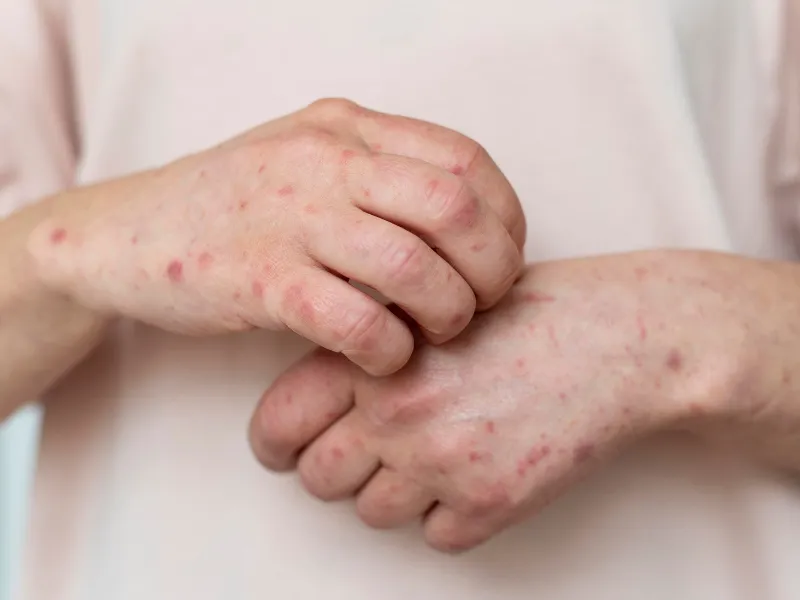
A rash typically follows 3 – 4 days later, starting on the face and spreading down the body. Complications can include ear infections, pneumonia, encephalitis (swelling of the brain), and, in rare cases, death, especially in young children and immunocompromised individuals.
Measles is vaccine-preventable. The MMR vaccine (measles-mumps-rubella) is the cornerstone of protection and is known to be safe and highly effective. Recent NSW Health advice reiterates that even after exposure, vaccination can be protective if given early enough.
One major gap in mainstream reporting, including the official NSW Health release and some news pieces, is specific exposure location detail. For people trying to assess their own risk, this is crucial.
The NSW Health public exposure list shows a wide variety of venues across Sydney where infectious individuals were present. These include shopping centres, Carriageworks Markets in Eveleigh, neighbourhood cafés like Don Adan’s Coffee Tree in Mosman, gyms, hospitals, and more. Importantly:
Unlike isolated reports that might focus on one or two venues, NSW Health centralises all these data so individuals can check whether they were present at a risky time.
This recent surge follows a national trend of rising measles cases tied to international travel and declining vaccine coverage:
Australia, including NSW, has seen measles largely as an imported disease; most cases are brought back from abroad by travellers returning from regions where measles transmission is ongoing (e.g., South-East Asia).
Cases identified in Sydney include travellers from Indonesia, Thailand, Vietnam, and the Philippines, all places with active outbreaks or periodic increases in disease incidence.
A significant concern is that measles can spread locally once introduced by travellers, especially in communities with lower vaccination coverage. This is exactly what NSW Health reported in at least one newly acquired local Sydney case.
Recent nationwide data suggest childhood vaccination rates for measles (as measured by the first two doses of MMR) have fallen below the 95% threshold needed for herd immunity. This dropping coverage heightens the risk of outbreaks when the virus is introduced.
News outlets and official health releases often focus on different aspects of a situation, and this outbreak is no exception.
Most news outlets have echoed the alert, but vary in scope:
Gaps in media reporting include:
If you’re in Sydney or were present at any locations during the listed exposure times:
Watch for any symptoms up to 18 days after exposure, the known incubation period. Symptoms begin nonspecifically (fever, cough) before progressing to rash and can be subtle at first.
If you develop symptoms:
Young children, pregnant women, and people with weakened immune systems are at higher risk of severe measles complications. Ensuring those around them are immune reduces risk.
| Age / Group | Recommended Vaccine & Timing | Key Notes |
| Infants (6–11 months) | Optional early MMR dose in outbreak or before overseas travel | This early dose does not replace the routine 12‑ and 18‑month doses |
| 12 months | 1st routine dose of MMR | Provides initial protection against measles, mumps, and rubella |
| 18 months | 2nd routine dose (usually MMRV) | Completes primary protection; long‑term immunity established |
| Children & adolescents (missed doses) | 2 catch‑up doses, at least 4 weeks apart | Important before school entry or international travel |
| Adults born after 1965 | 2 documented doses of MMR (or catch‑up if unsure) | Many adults are unsure of the status, vaccination is safe if uncertain |
| High‑risk adults (healthcare, childcare, travellers) | Ensure 2 doses are completed before exposure or travel | Strongly recommended during outbreaks and before overseas travel |
| Pregnant or immunocompromised people | MMR is generally not recommended | Many adults are unsure of the status; vaccination is safe if uncertain |
Note: The MMR vaccine is free under the Australian National Immunisation Program for eligible children and catch‑up patients. Always confirm individual circumstances with a GP or immunisation provider.
Though this article focuses on Sydney, measles risks are not isolated:
The measles alert in Sydney underscores a key public-health principle: even vaccine-preventable diseases can resurface when global travel increases and vaccination coverage dips. Staying informed with official health sources (like NSW Health), checking exposure lists if you think you might have been at risk, and talking to healthcare providers about vaccinations are essential.
Public vigilance, combined with robust immunisation, remains the best defence against measles, not just in Sydney, but across Australia and around the world.
Measles typically begins with fever, cough, runny nose, and sore, red eyes. After a few days, a red, blotchy rash usually appears, starting on the face and spreading downward. Symptoms may take 7-18 days to appear after exposure, so monitor yourself closely if you were at any of the listed exposure sites.
NSW Health regularly updates a list of public exposure locations and specific times when infectious individuals visited in Sydney. Visit the official NSW Health exposure site list and compare the dates/times to your own recent movements.
Yes. The MMR vaccine can still offer protection even after exposure if administered quickly enough. This is one reason NSW Health urges anyone unsure about their vaccination status to talk with a GP or vaccination provider promptly.
In Australia, routine MMR vaccination is given at 12 and 18 months of age. Anyone born in 1966 or later without documented two doses should ensure they receive them now. Catch-up vaccines are recommended for school-age children, adults with uncertain immunisation histories, and travellers to high-risk regions.
Although the vaccine is highly effective (around 99% protection after two doses), no vaccine is 100% perfect. Vaccinated people may still rarely get measles, but symptoms are usually much milder and complications far less common compared with unvaccinated individuals.
This article is provided for general informational purposes only and does not constitute medical advice. Readers should consult a qualified healthcare professional for diagnosis, treatment, or vaccination guidance. Information may change as public health updates are revised.